



Duct Cleaning Methods And TR 19® Compliance
Clean ductwork is essential to the performance, safety, and health outcomes of any ventilation system. Over time, dust, debris, grease, and microbiological contaminants can accumulate on internal duct surfaces. These deposits not only reduce airflow efficiency but also pose significant risks to indoor air quality, equipment lifespan, and fire safety.
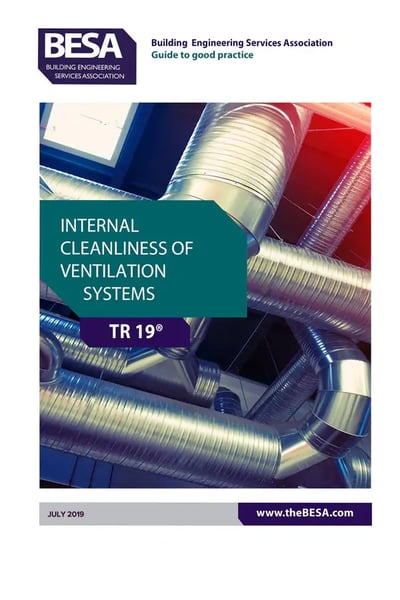 In commercial environments, neglected ducts can become reservoirs for bacteria, mould, and allergens that recirculate through the air system. In kitchen extract systems, grease deposits present a serious fire hazard. In industrial settings, dust build-up can impair system performance or create explosive atmospheres.
The consequences of poor duct hygiene can include increased energy consumption, costly system repairs, poor occupant well-being, and potential non-compliance with fire and health regulations. From hospitals and schools to offices and hospitality venues, duct cleaning is not optional. It is a vital part of building maintenance and safety assurance.
TR 19® provides clear guidance on when and how teams should clean ducts. The specification protects people, property, and ventilation systems by promoting consistent, auditable cleanliness standards. Whether managing a kitchen, healthcare facility, or commercial building, facilities teams must understand the importance of duct cleaning to support safer and more efficient operations.
Common Contaminants And Hygiene Risks
Ventilation systems encounter a wide range of contaminants, depending on the type of building, occupancy levels, and the activities taking place inside. When teams fail to clean ducts regularly, pollutants accumulate within the system, compromising both performance and indoor air quality.
In general air systems, the most common contaminants include:
- Dust and particulate matter: External sources or internal activity introduce these into the system. They reduce airflow, settle in terminal units, and foster microbial growth.
- Fungal spores and bacteria thrive in damp, poorly maintained ducts, contributing to respiratory issues and odours.
- Allergens and pollen enter through intake vents and circulate throughout buildings, triggering symptoms in individuals who are sensitive to them.
In commercial kitchen extract systems, contamination risks become more severe:
- Grease vapours condense and coat inner duct surfaces, creating flammable residues.
- Carbon and soot from high-temperature cooking methods add to fire risk and block air pathways.
- Food particles and proteins encourage microbial growth and unpleasant smells if not removed.
These contaminants create several hygiene risks:
- Fire hazards in grease-laden ducts, particularly in kitchen extract systems.
- Health risks due to airborne pathogens and allergens.
- System inefficiency from restricted airflow and fan strain.
- Equipment failures occur when contaminants reach sensitive components.
TR 19® addresses these risks by defining inspection intervals, deposit thresholds, and verification standards that ensure cleaning occurs before contamination becomes dangerous.
TR 19® Methods And Documentation Standards
TR 19® sets clear, auditable standards for how teams must clean ventilation ductwork and document compliance. These methods ensure consistency, quality, and safety across the industry.
Cleaning Methods
TR 19® recognises several approved techniques. Teams must select methods based on the system type, contamination level, and accessibility:
- Manual scraping effectively removes thick grease deposits, particularly in kitchen exhaust systems.
- Vacuum cleaning with HEPA-filtered units removes dry dust in general air systems.
- Compressed air agitation breaks up dust before collection and often works with brushing or vacuuming.
- Chemical applications target grease or biological contaminants, followed by thorough rinsing to remove them.
- Rotary brushing systems scrub internal duct surfaces and suit inaccessible duct runs.
The selected method must return all internal surfaces to the cleanliness level defined by TR19. The standard includes tables that indicate maximum deposit thicknesses and the required cleaning intervals.
Verification And Documentation
TR19® focuses on more than just cleaning. It requires teams to demonstrate that they have cleaned the ducts correctly.
After each cleaning, teams must compile a full verification report that includes:
- Photographic evidence taken before and after cleaning from identical positions.
- Deposit Thickness Test (DTT) results, showing pre- and post-clean measurements.
- A site plan or layout showing cleaned areas.
- Details about access points used and those unavailable.
- A hygiene certificate noting the cleaning date, system type, location, and contractor details.
This documentation not only assures quality but also demonstrates compliance with fire regulations, insurance requirements, and internal maintenance policies.
Proper reporting protects all stakeholders responsible for ventilation systems. It provides traceable proof that systems meet cleanliness standards and undergo appropriate maintenance.
Cleaning Technologies And Tools
Effective duct cleaning depends on selecting tools and technologies that match the system type and the level of contamination. TR19® outlines principles to support consistent, high-quality cleaning and easy verification. While traditional manual methods remain useful, newer equipment has significantly improved cleaning efficiency and oversight.
Mechanical Cleaning Equipment
Technicians frequently use rotary brushing machines for dry particulate build-up. These tools use rotating heads to dislodge dust from duct walls. When paired with high-efficiency vacuums, they allow for thorough removal without contaminating nearby areas.
Compressed air whips and air lances loosen debris and direct it toward collection points. In large systems, remote-controlled brushing robots navigate long duct runs and provide live video for inspection.
Grease Removal Tools
In kitchen extract systems, technicians rely on manual scraping tools to remove thick layers of grease. Steam or hot water pressure washers often follow scraping to break down and flush residues. Degreasing chemicals may also be used, provided they are food-safe and rinsed thoroughly.
Vacuum systems designed for grease duct cleaning must be capable of handling moist, oily residue. Technicians must use tools that reach all duct sections, including risers, bends, and vertical shafts.
Monitoring And Verification Tools
Post-clean inspection plays a vital role in TR19® compliance. Video inspection tools enable teams to assess cleanliness both before and after cleaning, as well as identify access limitations. Deposit Thickness Test (DTT) tools measure dust or grease levels to verify compliance with TR19® targets.
These technologies serve more than just contractors. They provide insurers, building owners, and facilities managers with concrete evidence that cleaning followed a recognised standard.
Maintenance Schedules For Ongoing Compliance
Regular maintenance is crucial to ensure that ventilation systems remain clean, efficient, and compliant with regulations over time. TR19® provides a structured framework to help building operators, facilities managers, and contractors schedule inspections and cleaning activities based on risk, system type, and use.
Kitchen Extract Systems
For grease extract systems in commercial kitchens, TR19® outlines specific cleaning frequencies based on the level of usage:
- Heavy use (12–16 hours per day): Clean every 3 months
- Moderate use (6–12 hours per day): Clean every 6 months
- Light use (2–6 hours per day): Clean annually
These intervals reflect the increased fire risk from grease accumulation and should be adhered to as part of routine fire risk assessments and insurance obligations.
General Air Systems
For ventilation serving offices, schools, hospitals, and other occupied spaces, TR19® recommends a risk-based approach. Factors such as occupancy levels, system age, location, and activities carried out in the space should inform the inspection and cleaning schedule.
A baseline inspection is typically advised every 12 months, with cleaning carried out as needed based on deposit levels or system condition. TR19® does not impose rigid intervals for all systems but instead promotes regular assessment supported by measurable standards.
Documentation And Reminders
To stay compliant, maintenance schedules should be documented and integrated into the building's planned preventative maintenance (PPM) programme. Contractors should issue a hygiene certificate and cleaning report after each visit, along with recommendations for the next inspection.
Facilities managers are encouraged to keep a digital record of cleaning history, Deposit Thickness Test results, and photographic evidence. These records help demonstrate compliance under the Building Safety Act and satisfy insurer requirements in the event of a claim or audit.
Maintaining a clear and consistent schedule not only protects against regulatory breaches but also reduces the likelihood of costly emergency cleans, system downtime, and tenant complaints.
Frequently Asked Questions About Duct Cleaning and TR 19® Compliance
What is TR 19® Air, and how does it differ from TR19® Grease?
TR 19® Air is BESA's specification for internal cleanliness and hygiene management of general ventilation systems, addressing indoor air quality in buildings such as offices, schools, hospitals, and commercial spaces. It was updated in 2023 and released in April 2024 to focus specifically on air quality and occupant health following the COVID-19 pandemic. TR19® Grease is a separate, standalone specification produced in 2019 for fire risk management of grease accumulation within kitchen extraction systems. While both standards address duct cleanliness, TR 19® Air focuses on health and well-being in general ventilation, whereas TR19® Grease specifically addresses fire safety in commercial kitchens.
What is BS EN 15780, and how does it relate to TR 19®?
BS EN 15780 is the British and European Standard for cleanliness of ventilation systems, introduced in 2011 and updated in 2025. It specifies general requirements and procedures for assessing and maintaining ductwork cleanliness, including cleanliness quality classification, assessment methods, cleaning selection, and validation of cleaning effectiveness. TR 19® incorporates and aligns with BS EN 15780 classifications. The British Standard cross-references with other HVAC standards and applies across Europe, while TR 19® remains the UK's widely recognised practical guide that insurance companies and facilities managers commonly reference for compliance.
What are the three cleanliness quality classes in BS EN 15780?
BS EN 15780 defines three cleanliness quality classes based on building use and occupancy. Low risk applies to rooms with only intermittent occupancy, such as storage rooms and technical rooms. Medium risk covers higher occupancy spaces, including offices, hotels, restaurants, schools, theatres, residential homes, shopping areas, and general areas in hospitals. High-risk environments include laboratories, treatment areas in hospitals, high-quality offices, and specialist facilities where air quality is critical. These classifications determine appropriate inspection frequencies and acceptable dust deposit levels for each system type.
What are the acceptable dust deposit levels for general ventilation systems?
According to BS EN 15780 and TR 19® Air, dust levels in medium risk buildings (such as offices, hotels, restaurants, and schools) should be less than 3.0 grams per square metre. For recirculation and secondary ductwork in these buildings, the threshold rises to 4.5 grams per square metre or less. Using the Deposit Thickness Test method, supply and recirculation systems historically required cleaning when deposits exceeded 60 microns, while extract systems had a threshold of 180 microns. These levels have been aligned with BS EN 15780 cleanliness quality classes to provide clear, measurable standards for compliance.
How often should general ventilation systems be inspected?
BS EN 15780 defines risk assessment survey frequencies that form the basis of good ventilation management. For most facilities, inspections should be conducted every two years as a minimum. Higher risk environments such as healthcare facilities, laboratories, and cleanrooms require annual inspections. TR 19® recommends that inspections should not exceed 12-month intervals for any system. The actual cleaning frequency depends on inspection results, deposit thickness measurements, system usage, and the building's cleanliness quality class. Regular assessment ensures systems are cleaned before contamination reaches dangerous or inefficient levels.
What cleaning methods are approved under TR 19®?
TR 19® recognises several approved cleaning techniques that must be selected based on system type, contamination level, and accessibility. Manual scraping removes thick grease deposits, particularly in kitchen systems. Vacuum cleaning with HEPA-filtered units removes dry dust in general air systems. Compressed air agitation breaks up dust before collection and often works with brushing or vacuuming. Chemical applications target grease or biological contaminants, followed by thorough rinsing. Rotary brushing systems scrub internal duct surfaces and suit inaccessible duct runs. The selected method must return all internal surfaces to the cleanliness level defined by TR19® tables showing maximum deposit thicknesses.
What is the Deposit Thickness Test, and why is it important?
The Deposit Thickness Test (DTT) is a measurement method that determines the mean surface deposit thickness in microns on duct internal surfaces. It provides quantifiable evidence of contamination levels both before and after cleaning. The DTT is critical for verifying compliance with TR 19® and BS EN 15780 standards because it gives objective, measurable data rather than subjective visual assessment. Testing is conducted at multiple points within the ductwork system to calculate average deposit levels. Results determine whether cleaning is required and provide documented proof that cleaning has achieved the required standard for insurance and regulatory compliance.
What is the Preferred Vacuum Test?
The Preferred Vacuum Test (PVT) is a development of the vacuum test and forms part of BS EN 15780. It measures dust deposits by weight (grams per square metre) rather than thickness. The PVT is particularly useful for newly installed systems and provides ultimate confirmation of ductwork cleanliness. It works by vacuuming a defined surface area through a filter, which is then weighed to determine deposit levels. The test results can be compared against the cleanliness quality class thresholds to verify whether the system meets the required standard. Both DTT and PVT methods are recognised under TR 19® for different assessment purposes.
Why is access to ductwork so critical for TR 19® compliance?
Without adequate access, thorough inspection and effective cleaning of ductwork is impossible, leaving hidden contamination that compromises air quality, fire safety, and system efficiency. TR 19® requires designers to ensure adequate access both through building fabric and into the system to make planned preventative maintenance practicable. BS EN 12097 specifies requirements for dimensions, shape, and location of access panels for cleaning and service in ductwork systems. Access panels must be of sufficient number, quality, and size to enable unrestricted access to all internal surfaces and in-line components. Designers should seek guidance from specialist cleaning contractors at the design stage to ensure proper access provision.
What must a post-clean verification report include?
A comprehensive post-clean verification report must include photographic evidence taken before and after cleaning from identical positions, Deposit Thickness Test or Preferred Vacuum Test measurements showing pre- and post-clean results, a site plan or system layout showing all cleaned areas, details about access points used and any areas that remain unavailable, a written summary of works completed, notes on any access limitations or recommendations for system improvements, and a hygiene certificate stating the cleaning date, system type, location, and contractor details. This documentation demonstrates compliance with fire regulations, insurance requirements, and internal maintenance policies, providing traceable proof that systems meet recognised cleanliness standards.
What are the health risks of poorly maintained ventilation systems?
Accumulated dust, bacteria, mould spores, and allergens in poorly maintained ductwork recirculate through buildings, causing respiratory issues, allergies, headaches, and fatigue among occupants. Research following the COVID-19 pandemic highlighted the critical role of clean ventilation in preventing airborne pathogen transmission. Poor indoor air quality leads to increased employee absenteeism, reduced productivity, and higher rates of both short-term and long-term illnesses. The impact on health and well-being is now recognised in BS 40102-1:2023, the British Standard for Health and Wellbeing in Buildings, which provides recommendations for measuring and monitoring indoor environmental quality, including ventilation hygiene.
How does duct cleaning affect energy efficiency?
Accumulated debris in air ducts impedes airflow, forcing fans to work significantly harder to maintain required ventilation rates. This results in increased energy consumption, higher operational costs, and premature wear and tear on system components. Regular cleaning enhances system efficiency, leading to measurable energy savings and prolonged equipment lifespan. This is particularly relevant for retrofitting buildings to achieve net-zero emissions targets. Clean ductwork also reduces pressure drop across the system, allowing fans to operate at lower speeds while maintaining performance. The energy savings from proper duct maintenance typically offset cleaning costs within a short period.
Are TR 19® standards legally required?
TR 19® and BS EN 15780 are not statutory legal requirements in themselves, but they represent widely accepted industry best practice. Employers and building managers have legal obligations under the Health and Safety at Work Act and Occupiers Liability Act to ensure working environments are safe and healthy, which includes maintaining acceptable air quality. The Regulatory Reform (Fire Safety) Order 2005 requires assessment and reduction of fire risks, including in ventilation systems. Courts would view non-compliance with such widely accepted standards dimly. Insurance companies frequently require adherence to TR 19® standards, and failure to comply can invalidate policies and result in denied claims following incidents.
How do I find a TR 19® compliant contractor?
Look for contractors registered with the Vent Hygiene Register (VHR), which lists contractors certified in TR 19® standards. Verify the contractor holds Professional Indemnity Insurance as stipulated by TR 19® regulations. Check that their technicians have appropriate BESA training and qualifications for the specific work required (GHT qualification for grease systems, air hygiene certification for general ventilation). Request examples of previous verification reports showing photographic evidence, deposit thickness measurements, and proper certification. Ensure they can provide comprehensive documentation, including before-and-after photos, test results, system drawings, and hygiene certificates. Members of professional bodies and certification schemes provide additional assurance of competence and standards compliance.
What happens during a TR 19® inspection?
A TR 19® inspection begins with a visual examination using borescopes or video inspection equipment to assess internal duct conditions. The inspector conducts Deposit Thickness Tests or Preferred Vacuum Tests at representative locations throughout the system to measure contamination levels. They check access panel provision and condition, verify system drawings against actual installation, assess moisture presence and potential microbial growth, examine AHU components including filters and coils, and identify any damage or deterioration. Results are documented with photographs and measurements, then compared against cleanliness quality class thresholds. The inspector provides recommendations for cleaning frequency, access improvements, and any immediate remedial actions required.
Can new ductwork systems be handed over without cleaning?
No. A common misconception before BS EN 15780 was that protection of ductwork on a construction site would guarantee internal cleanliness in newly installed systems. This is incorrect. Construction dust, debris from cutting and joining, and contamination from handling mean that newly installed ductwork rarely meets cleanliness standards without specialist cleaning. BS EN 15780 clarified that where specific confirmation of internal cleanliness is required, designers must specify inclusion of a specialist cleaning contractor from the outset of a contract to internally clean newly installed ductwork before handover. The Preferred Vacuum Test verifies that new systems meet the specified cleanliness quality class.
Further Reading
To understand the broader context of ventilation system hygiene and compliance, read our TR 19® Ventilation Hygiene Standards Guide. It explains how TR 19® supports clean air, safety, and inspection across all system types.
You may also be interested in:
- Kitchen Extract System Cleaning and Compliance
- How Ventilation Impacts Indoor Air Quality and Maintenance
Stay Compliant with TR 19®
Ensure your duct cleaning programme meets recognised standards.
Download the TR 19® Guide