



Kitchen Extract System Hygiene And TR19® Compliance
Kitchen extract systems rank among the most vulnerable parts of a building’s ventilation network. Unlike general supply or extract ducts, they operate in highly contaminated environments. During cooking, the ductwork continuously draws grease, oil vapours and airborne particulates through the system.
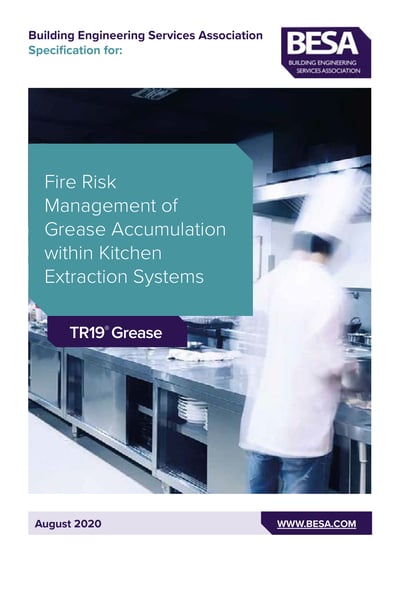 This constant exposure causes grease deposits to accumulate quickly on the internal surfaces of the duct. These residues are difficult to remove and are also highly flammable. If not properly maintained, they can pose a serious fire hazard, allowing flames to travel through the duct system and into other parts of the building.
Many commercial kitchens operate for extended hours, which increases the volume of grease moving through the ventilation system. Without regular inspection and cleaning, grease buildup can escalate quickly. The confined and often concealed layout of ductwork makes it challenging to monitor internal conditions without a structured maintenance programme.
Reports from the insurance and fire safety sectors indicate that extract duct fires continue to be a leading cause of severe damage in commercial kitchens. These incidents can result in extended downtime, reputational damage, and legal consequences, notably when maintenance records or proof of compliance are missing.
Kitchen extract systems are therefore considered high risk. Teams must conduct frequent inspections, schedule regular cleaning, and verify afterwards that the system meets required hygiene standards. TR19® provides the framework for managing this risk and protecting people, property, and business continuity.
Legal And Insurance Obligations
Owners and operators of commercial kitchens have a legal duty to maintain safe and hygienic ventilation systems. Several regulations and industry expectations reinforce this responsibility by governing fire safety, workplace health and safety, and environmental hygiene.
The Regulatory Reform (Fire Safety) Order requires responsible persons to assess and reduce fire risks in non-domestic premises. In the context of kitchen extract systems, this means identifying grease buildup as a fire hazard and implementing an appropriate cleaning schedule.
Failure to comply with this obligation can result in legal action, including enforcement notices or prosecution. In the event of a fire, investigators often request evidence showing that the team maintained the system in line with industry best practices, such as those outlined in TR19.
From an insurance perspective, many providers now require proof that kitchen extract ductwork undergoes regular cleaning and inspection. Failure to follow a recognised standard may lead insurers to deny claims when they trace the fire back to poor maintenance.
Documented compliance with TR19® offers a clear record of inspection and cleaning, which can be essential in demonstrating due diligence. Photographic evidence, deposit thickness test results, and detailed reports support both legal and insurance requirements.
By following TR19®, kitchen operators can manage their legal responsibilities, meet insurer expectations, and reduce the risk of costly disruptions.
TR19® Grease Cleaning Frequencies And Methods
TR19® sets out clear guidance on how often kitchen extract systems should be cleaned, based on usage levels and risk factors. The guidance establishes cleaning frequencies to prevent excessive grease buildup and support safe, efficient operation.
Cleaning teams determine appropriate intervals based on the number of hours the kitchen operates each day. TR19® recommends the following minimum cleaning frequencies:
- Heavy use: 12 to 16 hours per day – clean every 3 months
- Moderate use: 6 to 12 hours per day – clean every 6 months
- Light use: 2 to 6 hours per day – clean every 12 months
These are minimum recommendations. More frequent cleaning may be required, depending on the type of cooking, the condition of the system, and the results of insurance and fire risk assessments.
In terms of cleaning methods, TR19® emphasises the need for comprehensive access throughout the duct system. The cleaning process encompasses the entire ventilation system, including the canopy, fan, and the full length of the ductwork. Teams must make previously inaccessible areas reachable by installing access panels at appropriate intervals.
Cleaning crews typically use mechanical scraping, manual wiping, and high-pressure wet or dry vacuuming. In heavily contaminated systems, they may also apply specialised chemical treatments, provided the products are suitable for food-safe environments.
Verification plays a central role in the TR19® process. Teams must take before-and-after photographs from identical positions to document cleaning outcomes. They can also perform Deposit Thickness Tests (DTT) to measure grease levels on internal surfaces and confirm compliance with acceptable limits.
Many operators still ask how often to clean commercial kitchen extract ducts. TR19® provides a risk-based frequency schedule and cleaning verification methods to support compliance.
By following these cleaning frequencies and methods, kitchen operators can ensure their systems remain safe, efficient, and compliant with industry expectations.
What To Include In Your Cleaning Contract
A well-structured cleaning contract ensures your kitchen extract system remains compliant with TR19 and other industry standards. It provides clarity between client and contractor, sets performance benchmarks, and supports legal and insurance compliance.
The contract should specify the following core elements:
- Scope of Work: Detail the full extent of cleaning required. The scope should cover canopies, filters, risers, horizontal ductwork, fans, and discharge points. Ensure the contractor includes the entire extraction route in the agreement.
- Cleaning Frequency: State the agreed-upon intervals based on system usage, ensuring they align with the minimum recommendations outlined in TR19. Where more frequent cleaning is needed, this should be clearly defined.
- Access Requirements: Identify access panels or inspection points needed for effective cleaning. The contractor should also flag any areas of limited access and propose how to resolve them.
- Verification Procedures: Set expectations for photographic records and deposit thickness test results. The contract should require before-and-after photos, taken from the exact location, and clear evidence of cleanliness levels post-clean.
- Certification and Reporting: Ensure the contractor will issue a hygiene certificate and a comprehensive report after each cleaning. This documentation should meet the requirements outlined in TR19®, supporting audit trails and compliance records.
- Emergency and Reactive Services: Where applicable, include response times for urgent cleans or inspections, particularly following fire risk assessments or requests from insurers.
- Responsibilities and Liabilities: Clarify which party is responsible for providing access, isolating equipment, and reinstating services after cleaning. Include liability terms for damage or disruption in the agreement.
By including these components, your cleaning contract will not only meet operational needs but also provide the documented evidence required to satisfy legal duties and insurance conditions. It reflects a commitment to best practice and protects all parties involved in managing kitchen ventilation hygiene.
Ensuring Certification And Ongoing Compliance
Meeting hygiene standards is not a one-off task. Ongoing compliance with TR19® requires continuous monitoring, proper certification, and reliable record-keeping. This approach not only demonstrates a commitment to safety but also satisfies the expectations of insurers, regulators, and auditors.
The contractor must provide a full post-clean verification report after each completed clean. This report must include:
- Before and after photographs from matching positions
- Results of any Deposit Thickness Tests carried out
- A written summary of works completed
- Notes on any access limitations or recommendations for system improvements
- A hygiene certificate stating the date of the clean, system location, and the name of the competent technician
These documents offer traceable evidence that the system meets recognised best practice for maintenance. In the event of a fire or inspection, they form the first line of defence against legal liability or insurance complications.
It is equally important to maintain a cleaning log. Keep the documentation on-site or store it in an accessible system to maintain a complete record of inspection and maintenance. Digital systems can support this process by providing alerts for upcoming cleans and centralised storage of documentation.
TR19® also advises regular reviews of access points, system layout, and duct condition. As kitchens evolve, new appliances or layout changes may affect airflow patterns or create new areas of risk. Keeping your maintenance plan up to date is essential for staying compliant.
Many facilities partner with certified and experienced contractors to ensure consistent compliance with TR19® requirements. Doing so reduces risk and gives operators, tenants, and owners greater peace of mind.
By incorporating TR19 into your routine maintenance schedule, you can protect your business, meet legal obligations, and ensure long-term building safety.
Frequently Asked Questions About Kitchen Extract System Cleaning
Why are kitchen extract systems a major fire hazard?
Kitchen extract ductwork is particularly susceptible to fires due to the continuous buildup of combustible grease, oil vapours and carbonised deposits on internal surfaces. These deposits can ignite from open flame cooking, fryers, or even radiant heat, allowing fire to spread rapidly through the ductwork system. According to government statistics, there were over 2,500 fires in restaurants, cafes and public houses in 2011-12. The London Fire Brigade reports a kitchen extract ductwork fire occurs on average every 9 days in the Greater London area. A significant percentage of all commercial fires are kitchen-related, with inadequate duct cleaning regimes identified as a major contributory factor.
What is the 200 micron threshold in TR19® Grease?
TR19® Grease specifies that grease levels must be controlled so as not to exceed a mean average of 200 microns between scheduled cleans. To put this in perspective, 200 microns is approximately half the thickness of an average business card. Areas showing grease deposits of 500 microns or more require immediate spot cleaning attention. The Wet Film Thickness Test (WFTT) or Deposit Thickness Test (DTT) are used to measure these deposits at various points within the ductwork to ensure compliance with this critical safety threshold.
How often should kitchen extract systems be cleaned according to TR19®?
TR19® recommends minimum cleaning frequencies based on daily operating hours. Heavy-use kitchens (12-16 hours per day) should be cleaned every 3 months. Moderate use (6-12 hours per day) every 6 months. Light use (2-6 hours per day) every 12 months. However, these are baseline recommendations only. Actual cleaning frequency should be determined by a competent person conducting a cleanliness risk assessment, taking into account the type of cooking, seasonal menu variations, grease accumulation rate, and the results of deposit thickness testing. Cleaning frequencies must be regularly reviewed to ensure grease remains at safe levels.
What legal obligations apply to kitchen extract system maintenance?
The Regulatory Reform (Fire Safety) Order 2005 requires responsible persons to assess and reduce fire risks in non-domestic premises. Kitchen extract systems must be included in fire risk assessments as grease accumulation presents a significant fire hazard. The Management of Health and Safety at Work Regulations place a strict duty of care on premises managers, requiring regular cleaning of extraction units and associated ductwork. Extractor fan cleaning is a legal requirement under these regulations. Fire safety officers conducting audits will request post-clean verification records, and failure to maintain systems properly can result in enforcement notices, prosecution, and personal liability.
Why do insurers require TR19® compliance?
Insurance providers recognise that the most common cause of kitchen ducting fires is a lack of proper cleaning and maintenance. Many insurance policies now explicitly require adherence to TR19 standards, and failure to observe a proper cleaning and maintenance regime can invalidate commercial liability and property insurance policies. In the event of a fire, insurers will investigate whether highlighted uncleaned or inaccessible areas in previous inspection reports were addressed. Non-compliance with TR19 can result in insurance claims being denied, even if a cleaning contractor had been employed. To insure a building with all risks covered, businesses typically require ductwork cleaned at annual or six-monthly intervals minimum.
What is the Ventilation Hygiene Elite (VHE) scheme?
The Ventilation Hygiene Elite scheme is run by BESCA (Building Engineering Services Certification Authority) and is the UK's largest independently audited scheme for kitchen extraction cleaning. VHE members must comply with both BESCA's code of conduct and the TR19® Grease specification. BESCA monitors and audits VHE members, reviewing post-clean reports for compliance. Each time a clean is carried out, contractors register on the BESCA VHE portal, which generates a BESCA certificate providing evidence of compliant cleaning. This certification demonstrates industry best practice and gives building owners third-party verification of compliance. BESCA can revoke the membership of contractors in breach of scheme requirements.
What qualifications must cleaning technicians have?
TR19® Grease introduces minimum competency levels for technicians carrying out kitchen extract cleaning. Technicians must hold the BESA Grease Hygiene Technician (GHT) qualification. This qualification ensures that personnel conducting and signing off on-site cleaning work have been properly trained in TR19® standards, safety procedures, and verification methods. Only properly qualified technicians should conduct deposit thickness testing and issue post-clean verification reports. Using unqualified contractors can result in non-compliant cleaning and invalidated insurance coverage.
Why is access to ductwork so important?
Kitchen extract ductwork is often hidden above false ceiling panels, within roof voids, plant rooms, or extends vertically up external walls, making it difficult to reach. Without proper access, thorough inspection and effective cleaning is impossible, leaving hidden grease deposits that pose a significant fire risk. TR19® requires access panels to be installed at regular intervals along the ductwork, typically every 2 to 3 metres wherever possible. These panels must be of sufficient number, quality and size to enable unrestricted access for cleaning and inspection of interior surfaces and in-line components. Compliance with TR19® is impossible without adequate access provision.
What should a post-clean verification report include?
A comprehensive post-clean verification report must include before-and-after photographs taken from matching positions, Wet Film Thickness Test (WFTT) or Deposit Thickness Test (DTT) measurements confirming grease levels are safely below the 200 micron threshold, a written summary of works completed, notes on any access limitations or areas requiring attention, system drawings showing cleaned areas, and a hygiene certificate stating the date, location, and name of the qualified technician. This documentation serves as evidence of compliant cleaning for insurance, fire safety audits, and legal compliance purposes. Reports should be delivered electronically and stored securely as part of the building's fire safety records.
Can filter cleaning alone prevent duct fires?
No. While extract hood filters should be cleaned and degreased daily or according to manufacturer instructions, no filter is 100 per cent effective. All internal surfaces of kitchen extract systems are affected by grease and oil deposits despite filtration. Grease vapours pass through or around filters and accumulate throughout the entire extraction system, including ductwork, fans, and discharge points. This is why TR19 requires the entire extraction route from canopy to atmosphere to be professionally cleaned, not just filters. Filter maintenance is necessary but insufficient on its own to manage fire risk.
What happens if grease deposits are left unclean?
Uncleaned grease deposits create multiple serious risks. Fire risk escalates rapidly as grease is highly flammable and can ignite from heat, sparks, or flames, causing rapid fire spread through ductwork that can ignite surrounding materials at various points along the duct path. Reduced system efficiency occurs as the buildup restricts airflow, forcing fans to work harder and increasing energy costs. Health and safety violations can result in legal action, fines, or kitchen closure. Insurance coverage may be invalidated, with claims denied following fire incidents. Equipment damage accelerates, with premature wear and unexpected breakdowns requiring costly repairs. Foul odours and bacterial contamination create unhygienic conditions affecting staff and customers.
How do I verify a contractor is TR19® compliant?
Check that the contractor is a registered member of the Ventilation Hygiene Elite (VHE) scheme, which can be verified through the BESCA register. Confirm their technicians hold the BESA Grease Hygiene Technician (GHT) qualification. Request examples of previous post-clean verification reports showing before-and-after photos, deposit thickness measurements, and BESCA certification. Ensure they provide detailed system drawings and can demonstrate proper access provision. Ask if they register each clean on the BESCA VHE portal and issue BESCA certificates. Avoid contractors who cannot provide these credentials or who claim cleaning to TR19 standards without proper certification. Using non-compliant contractors can leave you uninsured despite paying for cleaning services.
Why can't fire dampers be used in kitchen extract systems?
Fire dampers are not acceptable in kitchen extract systems according to BS 9999 (Clauses 33.4.3.2 and 33.4.4.2). Dampers can become unserviceable with exposure to grease and become impossible to clean properly. Excessive heat in kitchen extract ducts can activate fusible links in fire dampers prematurely or unexpectedly. Commercial kitchens must have separate and independent extract systems that discharge directly to the atmosphere. Instead of fire dampers, fire-resisting ductwork should be used where immediate discharge to the outside of the building is not possible, creating a complete fire-rated system from canopy to atmosphere.
What is the difference between TR 19® Air and TR19® Grease?
TR 19® Air is the specification for internal cleanliness and hygiene management of general ventilation systems, addressing indoor air quality in buildings. TR19® Grease is a standalone specification produced in 2019 specifically for fire risk management of grease accumulation within kitchen extraction systems. TR19® Grease expands on and replaces what had been Section 7 of the second edition of TR 19®, now treating kitchen extract as a distinct discipline requiring specialised standards, training, and certification. While both standards address duct cleanliness, TR19® Grease is specifically focused on the fire safety aspects unique to commercial kitchen extraction systems.
Where can I find qualified TR19® contractors?
Qualified contractors can be found through the Vent Hygiene Register (VHR), which lists contractors certified in TR19 standards. The BESCA Ventilation Hygiene Elite (VHE) scheme maintains a register of independently audited contractors who meet the highest industry standards. You can also contact BESA directly for recommendations of qualified contractors in your area. When selecting a contractor, verify their VHE membership, check their technicians hold the BESA Grease Hygiene Technician qualification, and request examples of previous BESCA-certified work. Ensure they can provide full post-clean verification documentation and BESCA certificates for insurance and compliance purposes.
Further Reading
For a deeper understanding of industry standards, read our TR19® Ventilation Hygiene Standards Guide, which explains how the specification supports compliance and safety across all ventilation systems.
You may also be interested in:
- Best Practice For Duct Cleaning In Commercial Kitchens
- How Ventilation Impacts Indoor Air Quality And Maintenance
Improve Your Compliance with the TR19® Grease Guide
Ensure your following kitchen extract clean meets industry best practice.
Download the TR19® Grease Specification