



Indoor Air Quality And Ventilation Hygiene
Indoor air quality, once viewed as a comfort issue, is now recognised as a critical factor in public health and building performance. The COVID-19 pandemic accelerated awareness of how air circulation impacts disease transmission, but the implications extend far beyond respiratory viruses.
 Poor indoor air quality is associated with a range of health issues. These include asthma, allergies, fatigue, reduced cognitive function, and long-term respiratory diseases. In offices, schools, hospitals, and homes, the air we breathe can have a direct impact on our well-being, productivity, and even recovery times for patients.
The World Health Organisation, the UK government, and building standards bodies are placing greater emphasis on the role of clean, well-maintained ventilation systems. Indoor air must be continuously filtered, refreshed, and moved in a way that reduces pollutants and supports occupant health.
Mechanical ventilation systems are essential for maintaining acceptable air quality in modern buildings. However, when building teams fail to clean or maintain ventilation systems properly, these systems often contribute to contamination. Dust, mould spores, bacteria, and volatile organic compounds can accumulate in ductwork and spread throughout the occupied space.
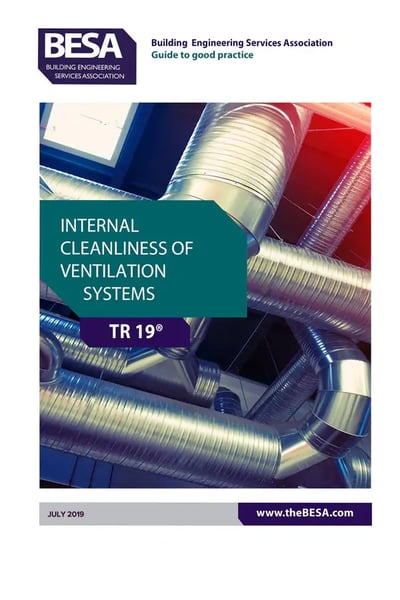
That's why many in the industry now view ventilation hygiene guided by recognised standards like TR19® as essential. Simply installing ventilation equipment no longer guarantees performance over time. Clean air delivery relies on a proactive strategy that includes regular inspection, cleaning, and accurate documentation.
For facilities managers, compliance officers, and HVAC contractors, maintaining indoor air quality is part of their duty of care. It is also increasingly tied to compliance with legislation such as the Building Safety Act and frameworks like the Golden Thread. Clean air is not just a benefit; it is a baseline expectation for safe and responsible building operation.
What Causes Ventilation Contamination
Ventilation systems move fresh air through buildings and remove stale or polluted air. However, without proper maintenance, these systems can themselves become a source of contamination. Understanding how and why this happens is crucial to preventing indoor air quality issues and maintaining compliance with hygiene standards, such as TR 19®.
Contamination typically builds up over time. It begins when airborne particles enter the system through intakes or internal spaces. These can include dust, pollen, fibres, and pollutants from cleaning products or building materials. If filters are inadequate or poorly maintained, these particles pass into the ductwork where they settle on internal surfaces.
Moisture is another major contributor. Humid conditions inside ducts, often caused by poor insulation or condensation, create an ideal environment for mould and bacteria to grow. In systems that serve kitchens or laboratories, airborne grease and chemical vapours can also accumulate and adhere to the duct walls.
Other familiar sources of contamination include:
- Biological matter such as skin cells, bacteria, and fungal spores
- Construction debris left behind during refurbishment or fit-out works
- Intake vents draw in external pollutants from vehicle emissions or industrial processes
- Cross-contamination from adjacent systems, such as toilets, waste stores, or service risers
Once contamination takes hold, it can be difficult to remove without professional intervention. Deposits accumulate in corners, joints, and behind access panels where airflow is restricted. Over time, these build-ups restrict airflow, strain mechanical components, and release pollutants back into the occupied space.
The presence of contaminants is not always prominent. Many systems continue to operate with reduced efficiency or subtle declines in air quality. That is why TR 19® advocates regular inspection and measurable standards for cleanliness. It ensures that systems remain fit for purpose and that hidden problems do not undermine health and safety.
How TR 19® Supports IAQ Goals
Indoor air quality depends on more than just ventilation design. It also relies on how well those systems are maintained. TR 19® plays a key role in helping building operators meet their indoor air quality (IAQ) goals by setting consistent, evidence-based standards for the cleanliness of ductwork and ventilation components.
TR19® provides a structured approach for assessing and maintaining hygiene levels in both supply and extract systems. It includes detailed guidance on how to inspect ducts, measure contamination and carry out cleaning where necessary. Such an approach helps ensure that systems deliver clean, healthy air throughout the building's lifecycle.
One of the standard's core strengths is that it offers measurable benchmarks. Using tools such as the Deposit Thickness Test (DTT), engineers can determine whether the internal surfaces of ductwork are within acceptable cleanliness limits. These results can be documented and tracked over time, ensuring that building owners, insurers, and regulators are assured.
TR 19® also promotes system accessibility. The standard outlines how teams should design and install ductwork to facilitate regular inspection and cleaning. This approach strengthens ongoing hygiene management, allowing facilities teams to uphold IAQ standards without disruption.
In buildings governed by the Building Safety Act or those requiring enhanced compliance, TR 19® supports the Golden Thread of building information. Its focus on documentation and traceability helps teams demonstrate that they have maintained ventilation systems to a recognised standard.
By following TR 19®, facilities managers, consultants, and contractors are not only keeping systems clean. Additionally, they are actively contributing to improved air quality, enhanced occupant wellbeing, and long-term regulatory compliance. The standard is not just a technical document. It is a practical tool for delivering healthier buildings.
Benefits To Employers, Tenants, And Facilities Managers
Good indoor air quality, supported by regular ventilation hygiene in line with TR 19®, delivers clear advantages to everyone involved in a building's operation and use. From improved occupant health to lower maintenance costs, the benefits extend across the supply chain.
For Employers
Businesses that prioritise ventilation hygiene create a healthier working environment for their staff. Clean air contributes to reduced absenteeism, improved concentration, and better overall productivity. Maintaining clean air is especially important in sectors where staff spend long hours indoors, such as offices, education, retail, and healthcare. Maintaining ventilation systems in accordance with TR 19® also demonstrates a company's commitment to employee welfare and regulatory responsibility.
For Tenants And Occupants
Tenants want assurance that the air they breathe is clean, safe, and free from contaminants. When ventilation systems are adequately maintained, indoor spaces tend to feel fresher and more comfortable. Clean, well-maintained ventilation directly improves tenant satisfaction and reduces complaints about stale air or poor environmental conditions. TR19 supports this by requiring regular inspections and documentation, helping building managers demonstrate that systems are well-maintained.
For Facilities Managers
For those managing multiple systems or large estates, TR 19® offers a clear framework that simplifies compliance and maintenance planning. It enables more accurate budgeting, supports insurance requirements, and helps avoid emergency callouts or costly system failures due to poor hygiene. Facilities managers can utilise TR 19® inspection reports and deposit test results as part of their Planned Preventive Maintenance (PPM) schedules, ensuring that performance standards are maintained year-round.
TR 19® also reduces uncertainty between stakeholders. With one agreed-upon standard in place, building owners, contractors, and clients have a shared understanding of what constitutes good ventilation cleanliness. Clear documentation enhances communication, mitigates project risks, and fosters the long-term sustainability of the building.
Monitoring, Inspection, And Maintenance Protocols
Maintaining indoor air quality is not a one-time effort. It requires a structured, ongoing process of monitoring, inspection, and maintenance. TR 19® provides the framework needed to ensure that ductwork remains clean and that ventilation systems continue to perform safely and efficiently.
Monitoring
Routine monitoring involves tracking system performance indicators, including airflow rates, pressure drops, and filter condition. These values help identify when an obstruction or hygiene issue may be developing inside the system. In high-risk environments, such as kitchens or healthcare facilities, continuous or periodic monitoring is crucial for early intervention.
Inspection
TR 19® outlines how and when teams must inspect ventilation systems. It recommends visual assessments, measurement of deposit thickness, and photographic documentation. The frequency of inspections depends on the building type, use, and risk level. For example, kitchen extract systems often require quarterly checks, while general air supply systems may follow annual or biennial schedules.
All inspections should be recorded and stored as part of the building's operational documentation. These records help demonstrate compliance with the Building Safety Act and support the Golden Thread of safety information now expected for many buildings.
Maintenance
Teams must schedule cleaning based on inspection findings and the levels of contamination present. TR19® provides specific thresholds that trigger when cleaning is necessary. The use of approved cleaning methods and access equipment is essential to ensure thorough and safe maintenance.
Incorporating these protocols into a Planned Preventive Maintenance (PPM) schedule ensures that ventilation hygiene does not fall behind. It also allows facilities teams to allocate resources more effectively and reduce the risk of emergency repairs.
By embedding these processes into everyday building management, organisations can meet both their legal obligations and their performance goals. TR19® helps simplify that task by providing a clear, consistent standard to follow.
Frequently Asked Questions About Indoor Air Quality
What is indoor environmental quality, and why does it matter?
Indoor Environmental Quality (IEQ) is an indicator of the quality of conditions inside a building, encompassing indoor air quality, thermal comfort, lighting, and acoustics. IEQ directly affects occupant health, well-being, and performance. BS 40102-1:2023, the British Standard for Health and Wellbeing in Buildings, provides recommendations for measuring, monitoring, and reporting IEQ performance in non-domestic buildings. Good IEQ delivers tangible benefits, including increased cognitive function and productivity, reduced fatigue and stress, improved employee retention and loyalty, attraction of new staff and tenants, and operational cost savings through enhanced energy efficiency. Poor IEQ leads to increased absenteeism, reduced productivity, and higher rates of illness among occupants.
What are the main indoor air pollutants that affect health?
Indoor air pollutants include particulate matter (PM2.5 and PM10), carbon dioxide (CO2), carbon monoxide (CO), nitrogen dioxide (NO2), volatile organic compounds (VOCs), formaldehyde, microbes, mould spores, bacteria, and allergens. The World Health Organisation's 2021 Air Quality Guidelines stipulate that PM2.5 should not exceed 5 micrograms per cubic metre annual mean or 15 micrograms per cubic metre 24-hour mean, whilst PM10 should not exceed 15 micrograms per cubic metre annual mean or 45 micrograms per cubic metre 24-hour mean. WHO recommends maintaining CO2 concentrations below 1,000 parts per million in indoor spaces. These pollutants originate from combustion sources, building materials, furnishings, cleaning products, outdoor air infiltration, and poorly maintained ventilation systems.
How does poor indoor air quality affect cognitive function and productivity?
Research demonstrates that poor indoor air quality significantly impairs cognitive function, decision-making, concentration, and productivity. Elevated CO2 levels above 1,000 parts per million are associated with drowsiness, headaches, and reduced cognitive performance. BS 40102-1:2023 identifies improved occupant performance as a key benefit of good IEQ, specifically noting increased cognitive function, reduced fatigue, tiredness, and stress. Studies following the COVID-19 pandemic highlighted that accumulated dust, bacteria, mould spores, and allergens in poorly maintained ductwork cause respiratory issues, allergies, headaches, and fatigue. Poor indoor air quality leads to measurable increases in employee absenteeism and reduces overall workplace productivity.
What is BS 40102-1:2023, and how does it relate to indoor air quality?
BS 40102-1:2023 is the British Standard for Health and Wellbeing and Indoor Environmental Quality in Buildings, published in May 2023. It establishes a code of practice for evaluating, monitoring, and assessing IEQ in non-domestic buildings with occupant health and wellbeing at the forefront. The standard provides an IEQ performance score that helps organisations identify below-par performance and implement improvements. BS 40102-1 addresses indoor air quality parameters, including excessive humidity, concentrations of CO2, CO, NO2, VOCs, particulates, microbes, and moulds. It applies to all forms of non-domestic buildings, including offices, schools, hospitals, hotels, universities, and shopping centres. Part 2 of BS 40102 will provide technical benchmarks for thermal comfort and indoor air quality to support health and well-being.
How does the Building Safety Act relate to ventilation and indoor air quality?
The Building Safety Act 2022 introduces requirements for Higher-Risk Buildings to maintain a Golden Thread of building safety information. Under The Building (Higher-Risk Buildings Procedures) (England) Regulations 2023, clients must provide sufficient information about the building's ventilation system and its maintenance requirements so the system can be operated to provide adequate means of ventilation. This information must be digital, secure, accessible, and understandable to those who need to use it. Ventilation system documentation, including operation and maintenance information, forms part of the Golden Thread that must be maintained throughout the building's lifecycle. TR 19® compliance documentation supports Golden Thread requirements by providing traceable proof that ventilation systems are properly maintained and meet recognised cleanliness standards.
What is the Golden Thread, and what ventilation information must it include?
The Golden Thread is a comprehensive, digital record of all safety-critical information about a Higher-Risk Building, required under the Building Safety Act 2022 for buildings with at least two residential units that are 18 metres in height or have at least seven storeys. For ventilation systems, the Golden Thread must include sufficient information about ventilation system design, installation details, maintenance requirements, and operational procedures to enable proper operation and adequate means of ventilation. This encompasses system drawings, equipment specifications, maintenance schedules, inspection reports, cleaning verification documentation, and any changes made during the building's lifecycle. The information must be kept secure, accessible to authorised personnel, and regularly updated to reflect building changes. Accountable Persons are responsible for coordinating and maintaining the Golden Thread.
How often should ventilation systems be inspected to maintain indoor air quality?
Inspection frequency depends on the building type, usage, and risk level. BS EN 15780 defines risk assessment survey frequencies, with most facilities requiring inspections every two years minimum. Higher risk environments such as healthcare facilities, laboratories, and cleanrooms require annual inspections. TR 19® recommends that inspections should not exceed 12-month intervals for any system. Kitchen extract systems require more frequent inspection based on usage: heavy-use kitchens (12-16 hours daily) every three months, moderate use (6-12 hours daily) every six months, and light use (2-6 hours daily) annually. BS 40102-1:2023 emphasises the importance of proper maintenance regimes to ensure systems function at optimum level and IEQ performance is sustained or improved. Inadequate maintenance can result in performance outside design criteria, impacting occupant wellbeing.
What role does ventilation play in preventing airborne disease transmission?
The COVID-19 pandemic highlighted the critical role of clean, well-maintained ventilation in preventing airborne pathogen transmission. Properly functioning ventilation systems dilute and remove airborne contaminants, including viral particles, reducing transmission risk. BS 40102-1:2023 was developed partly in response to increased awareness of ventilation's importance following the pandemic. TR 19® Air, updated in 2023 and released in April 2024, specifically addresses the urgent need for clean air ducts and well-maintained ventilation following lessons learned from COVID-19. Accumulated contaminants in poorly maintained systems can harbour and recirculate pathogens. Regular cleaning and maintenance according to TR 19® standards ensures ventilation systems actively support infection control rather than contributing to contamination spread.
How can building owners demonstrate compliance with indoor air quality standards?
Building owners demonstrate IAQ compliance through comprehensive documentation, including regular inspection reports, deposit thickness test results, photographic evidence of system cleanliness, maintenance records, and hygiene certificates from qualified contractors. BS 40102-1:2023 provides an evaluation and rating system that generates an IEQ performance score, creating a benchmark for identifying improvement areas. For Higher-Risk Buildings, ventilation information forms part of the Golden Thread digital record maintained under Building Safety Act requirements. TR 19® post-clean verification reports provide traceable proof that systems meet recognised standards. Documentation should include before-and-after photographs, quantifiable contamination measurements, system drawings, access provision details, and certification from appropriately qualified technicians. This evidence supports regulatory audits, insurance requirements, and demonstrates duty of care.
What are VOCs, and why are they a concern for indoor air quality?
Volatile Organic Compounds (VOCs) are organic chemicals that easily evaporate at room temperature, released from building materials, furnishings, cleaning products, paints, adhesives, and office equipment. VOCs include formaldehyde, benzene, and numerous other compounds that can cause eye, nose, and throat irritation, headaches, nausea, and long-term health effects, including liver and kidney damage. BS 40102-1:2023 specifically addresses VOC concentrations as part of indoor air quality assessment. WHO Indoor Air Quality Guidelines provide recommendations for managing VOC exposures from building materials and products. Proper ventilation is essential for diluting and removing VOCs, but contaminated or poorly maintained ductwork can trap and redistribute VOC-laden dust. Regular ventilation system cleaning according to TR 19® helps prevent VOC accumulation and ensures effective contaminant removal.
How does humidity affect indoor air quality and ventilation systems?
Relative humidity significantly impacts indoor air quality, thermal comfort, and ventilation system hygiene. BS 40102-1:2023 addresses humidity control as part of thermal comfort and IEQ assessment. Excessive humidity creates ideal conditions for mould, bacteria, and dust mite growth in both occupied spaces and within ductwork. Moisture in ventilation systems, often from poor insulation or condensation, enables microbial colonisation of internal duct surfaces. WHO Indoor Air Quality Guidelines specifically address indoor mould and dampness as health concerns. Low humidity causes dry skin, irritated airways, and increased susceptibility to respiratory infections. Optimal relative humidity typically ranges from 40 to 60 per cent. TR 19® recognises moisture as a major contributor to ventilation contamination and emphasises the importance of addressing moisture presence and potential microbial growth during inspections.
What is the relationship between ventilation, indoor air quality, and energy efficiency?
Ventilation, indoor air quality, and energy efficiency are intricately linked, requiring careful balance. BS 40102-1:2023 acknowledges that regulatory and commercial pressures have led building developers to prioritise operational energy cost reduction, sometimes at the expense of occupant safety and comfort through inadequate ventilation. The standard aims to address this by ensuring ventilation design supports both health and energy efficiency. Clean, well-maintained ductwork operates more efficiently, reducing fan energy consumption while maintaining required airflow. Accumulated contamination restricts airflow, forcing systems to work harder and consume more energy. BS 40102 Part 2 will provide guidance on achieving net-zero emissions through a whole-building approach that does not compromise occupant safety. Proper maintenance according to TR 19® standards delivers energy savings alongside improved air quality.
Who is responsible for maintaining indoor air quality in commercial buildings?
Responsibility for maintaining indoor air quality falls on multiple parties. Employers and building managers have legal obligations under the Health and Safety at Work Act and Occupiers Liability Act to ensure working environments are safe and healthy, including maintaining acceptable air quality. For Higher-Risk Buildings, Accountable Persons (who may be individuals, partnerships, or corporate bodies) are responsible for coordinating the Golden Thread and ensuring ventilation systems are properly maintained. Where there are multiple Accountable Persons, the Principal Accountable Person takes lead responsibility. Facilities managers typically implement day-to-day maintenance programmes. Building owners and landlords must provide adequate systems and information. Contractors must deliver compliant maintenance and cleaning services. BS 40102-1:2023 is designed for building owners, developers, designers, facilities management professionals, and health and safety specialists responsible for IEQ.
How does TR 19® support improved indoor air quality outcomes?
TR 19® supports improved indoor air quality by providing measurable standards for ventilation system cleanliness and maintenance. TR 19® Air, updated in 2023 and released in April 2024, specifically addresses indoor air quality in general ventilation systems following increased awareness from the COVID-19 pandemic. The specification defines acceptable deposit levels, inspection frequencies, cleaning methods, and verification procedures that ensure systems deliver clean air throughout buildings. By requiring Deposit Thickness Tests and post-clean verification with photographic evidence, TR 19® provides objective, quantifiable data rather than subjective assessments. This traceable documentation supports BS 40102-1:2023 IEQ assessment, Building Safety Act Golden Thread requirements, and demonstrates compliance with legal duties. TR 19® ensures ventilation systems actively contribute to health and well-being rather than becoming contamination sources.
What are the health risks of poorly maintained HVAC systems?
Poorly maintained HVAC systems pose significant health risks through the circulation of contaminated air. Accumulated dust, bacteria, fungal spores, and allergens cause respiratory issues, including asthma exacerbation, allergic reactions, and increased infection risk. WHO Indoor Air Quality Guidelines identify microbial pollution as a key element of indoor air pollution, caused by hundreds of species of bacteria and fungi. Post-pandemic research highlighted clean ventilation's critical role in preventing airborne pathogen transmission. Health impacts include increased absenteeism, reduced cognitive function and productivity, headaches, fatigue, eye irritation, and long-term respiratory diseases. BS 40102-1:2023 recognises that inadequate maintenance can result in performance outside design criteria, directly impacting occupant wellbeing. Children, elderly individuals, and those with pre-existing respiratory conditions face heightened vulnerability. Regular maintenance according to TR 19® standards mitigates these risks.
How can organisations improve their indoor environmental quality score?
Organisations can improve their IEQ score by implementing comprehensive monitoring, maintenance, and improvement programmes. BS 40102-1:2023 provides an evaluation and rating system that identifies below-par performance areas requiring attention. Key actions include establishing regular ventilation system inspection and cleaning schedules according to TR 19® standards, monitoring IAQ parameters including CO2, VOCs, particulates, and humidity, ensuring adequate outdoor air supply rates, maintaining thermal comfort within recommended ranges, improving lighting quality and acoustic conditions, and implementing proper maintenance regimes for all building systems. Combining physical monitoring with occupant feedback surveys provides a comprehensive performance assessment. Engaging qualified contractors registered with the Vent Hygiene Register ensures compliant maintenance. Documentation of all maintenance activities, inspection results, and improvement actions demonstrates commitment to occupant health and well-being.
Further Reading And Resources
For a complete overview of how ventilation hygiene supports safety, compliance, and long-term system performance, read our TR 19® Ventilation Hygiene Standards Guide.
If your role involves kitchen systems or grease extract maintenance, explore:
Maintain cleaner, safer indoor environments with expert guidance from BESA.
Download the TR 19® Guide