


From Army Service To A Project Management Career
Leaving the Armed Forces can be one of the biggest transitions in a person’s career. After nearly 15 years in the British Army, Dominic Simmons faced a challenge familiar to many service leavers: how to turn military experience into a successful civilian career.
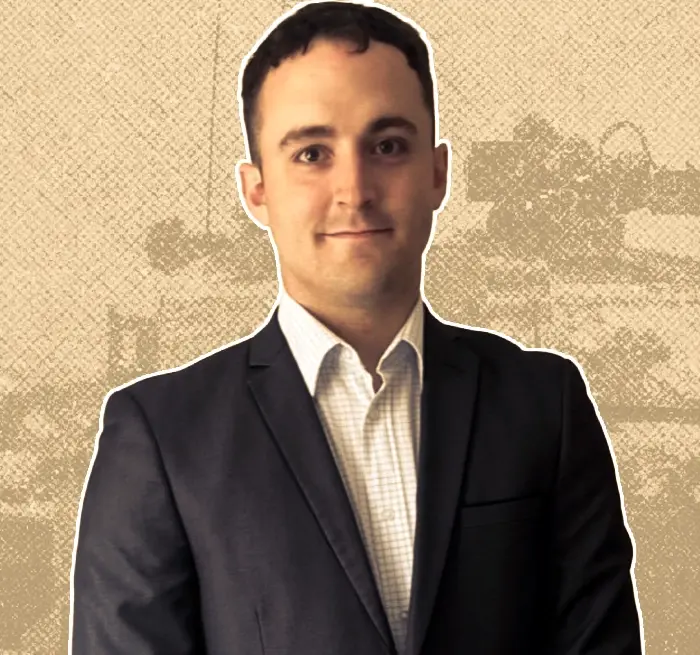 Through careful preparation, professional development and a willingness to embrace new opportunities, Dominic successfully moved into project management and is now building a rewarding career with North Star Projects.
In this case study, he shares his experience of leaving the Army, the challenges he faced along the way and the lessons he learned during the transition to civilian employment.
Leaving The British Army
After nearly 15 years in the British Army and reaching the rank of Staff Sergeant, Dominic Simmons decided to pursue a civilian career. While he had enjoyed a successful military career, the opportunity to spend more time with his wife and children became increasingly important in his long-term plans. With future promotions likely to require postings further from home, he felt the time was right to take on a new challenge outside the Armed Forces.
Like many service leavers, Dominic found the prospect of leaving military life daunting. Having joined the Army at the age of 16, he had found the Armed Forces a constant throughout his adult life. However, by planning ahead and beginning preparations several years before leaving, he gradually built the confidence needed to take the next step.
His experience in logistics and movement control had equipped him with a wide range of transferable skills that would support a successful transition, but he knew it would not happen by accident. Rather than waiting until the end of his military career to consider his options, he started preparing well in advance.
Preparing For Civilian Life
As part of the resettlement process, Dominic attended the mandatory Resettlement Advisory Brief and Career Transition Workshop, which helped him understand the support available to service leavers and highlighted the importance of networking, CV development and building a professional presence on LinkedIn. While not every aspect of the advice felt directly relevant at the time, the experience gave him practical tools to present his skills more effectively during an uncertain period.
One of the most valuable resources available to Dominic was Graduated Resettlement Time (GRT), which he used to undertake a series of Civil Work Attachments with organisations involved in project management, consultancy and training.
These placements gave him first hand experience in civilian workplaces, expanded his professional network and helped him see how his skills could translate into project management and other career paths beyond the military.
By the time he left the Army, Dominic had a much clearer idea of where he wanted to go next and the steps needed to get there.
Overcoming The Challenges Of Career Transition
Like many service leavers, Dominic’s biggest challenge was not whether his military experience had value, but how to position it in the civilian job market. With nearly 15 years in the Army behind him, he was confident in his abilities but less certain about the level of role and salary he should be targeting. Advice from different sources often conflicted, making it difficult to know where to pitch himself.
The job search was harder than he expected. Although he was confident in what he could offer, interviews were few and far between. As the end of his military career approached, there were moments when he questioned whether he would find the right role and provide the stability his family wanted.
Networking played a key role in Dominic's transition. A number of people suggested he should speak to North Star Projects, whose work combined two areas that interested him: logistics and project management. What started as a conversation with the company's directors quickly turned into a job offer.
As Dominic recalls, there was no formal application process, no lengthy interviews and no awkward conversations. The business was looking to grow, his experience matched its needs, and within a matter of weeks, he had secured a role. It was a refreshing introduction to civilian employment and proof of the value of building professional relationships.
"Within a matter of weeks, I was offered a role. There was no real application process, no formal interviews, no awkward conversations."
Building A Career In Project Management
 As Dominic explored his options after leaving the Army, he became increasingly drawn to project management. Through conversations with professionals who had already made a similar move, he realised the role offered the variety, responsibility and opportunity to make a genuine impact that he was looking for.
He was particularly attracted to the idea of working in a smaller business where he could contribute across multiple projects and sectors. As he puts it, he wanted to make a real impact rather than become "a small cog in a much larger organisation".
To strengthen his credentials, Dominic completed AgilePM and PRINCE2 Foundation and Practitioner qualifications before leaving the Armed Forces. He also used his resettlement period to gain hands-on experience through placements with organisations involved in consultancy, training and project management. These opportunities showed him what project management looked like outside the military and helped confirm it was the right career path for him.
Today, Dominic works as an Associate Project Manager at North Star Projects, where no two days are the same. His role has involved supporting project management training, developing policies and procedures, creating marketing materials, facilitating workshops and contributing to Armed Forces Covenant initiatives, giving him the chance to apply his experience in practical ways.
The variety of work has allowed him to apply many of the leadership, planning and problem-solving skills developed during his military career while continuing to learn new skills and gain valuable commercial experience.
One of Dominic’s proudest moments came when he was trusted to take ownership of a project that he had previously been supporting. For him, it was a significant milestone and a sign that the confidence placed in him during his military career was continuing to translate into responsibility in civilian life.
Advice For Armed Forces Leavers
Looking back on his transition, Dominic believes preparation and networking are two of the most important factors for success. While qualifications and experience are valuable, he found that speaking to people who had already completed the same journey provided some of the most useful advice and support. Those conversations helped him understand what to expect, identify opportunities and gain confidence in the skills he could bring to a civilian employer.
For anyone preparing to leave the Armed Forces, his advice is simple: start early. Developing a CV, building a professional network and exploring potential career paths before leaving service can make the process far less daunting and help turn experience into opportunity. He also encourages service leavers to make full use of the support available through resettlement programmes, work placements and professional development opportunities.
LinkedIn also played an important role in Dominic’s transition. It helped him connect with professionals, learn from others and engage with industries he was interested in joining. Rather than trying to build a perfect online profile, he recommends being authentic, sharing genuine experiences and focusing on developing meaningful connections that can lead to opportunities.
“Network, network, network. Speak to the people who have already gone through the journey you’re about to start.”
Why Employers Should Hire Veterans
Veterans bring leadership, resilience and adaptability that can be difficult to find through traditional recruitment channels. Throughout their military careers, service personnel are trusted to make decisions, solve problems and deliver results in challenging environments—qualities that often transfer exceptionally well into civilian roles.
For Dominic, employers should look beyond job titles and CVs to understand the experience and potential that Armed Forces leavers can offer. Take time for a conversation, and you may discover capable, motivated individuals ready to make a positive impact from day one.
“Don’t judge veterans on their CV alone. Speak to them and understand the skills and experiences they can offer.”